Forest School
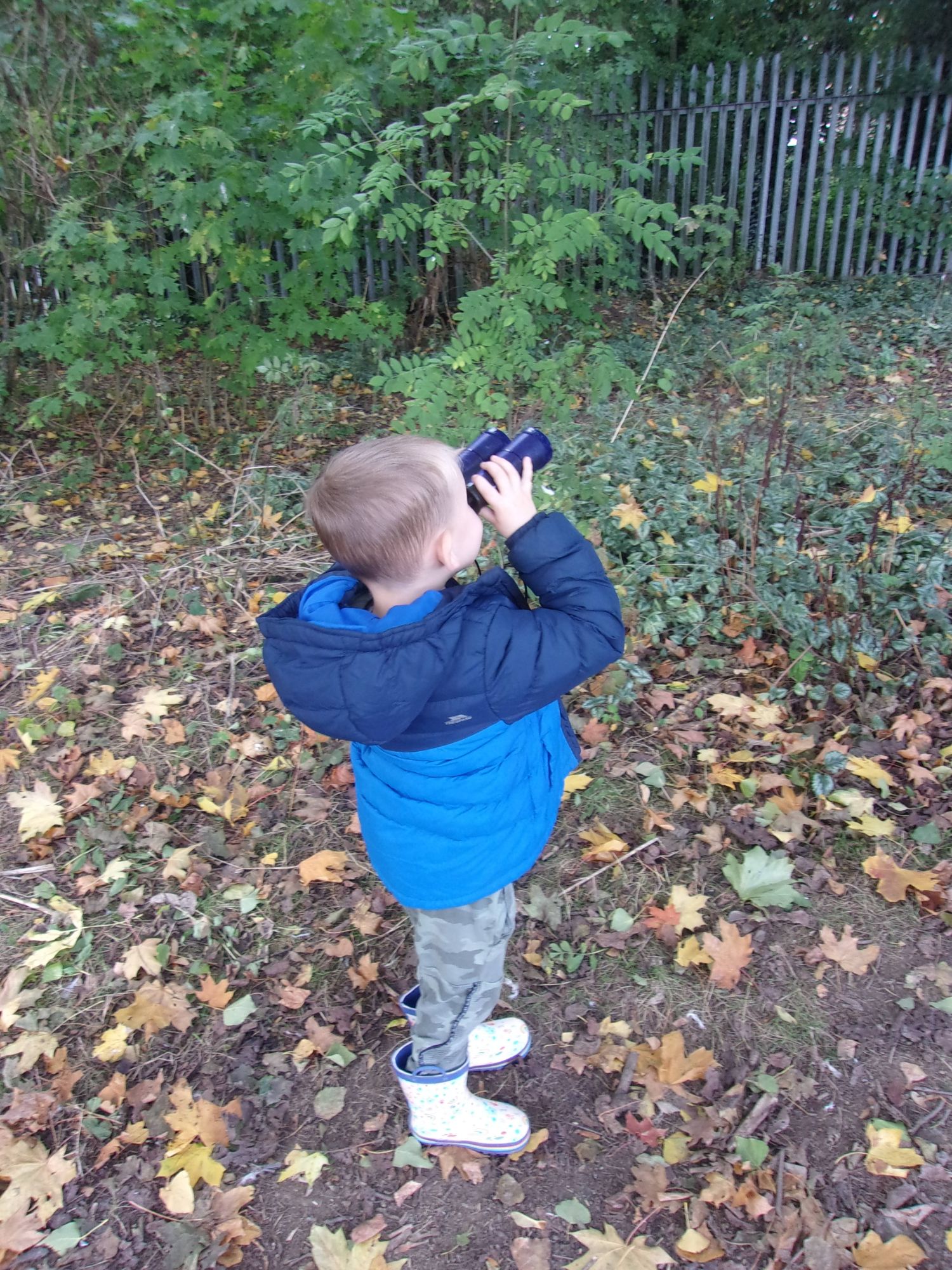
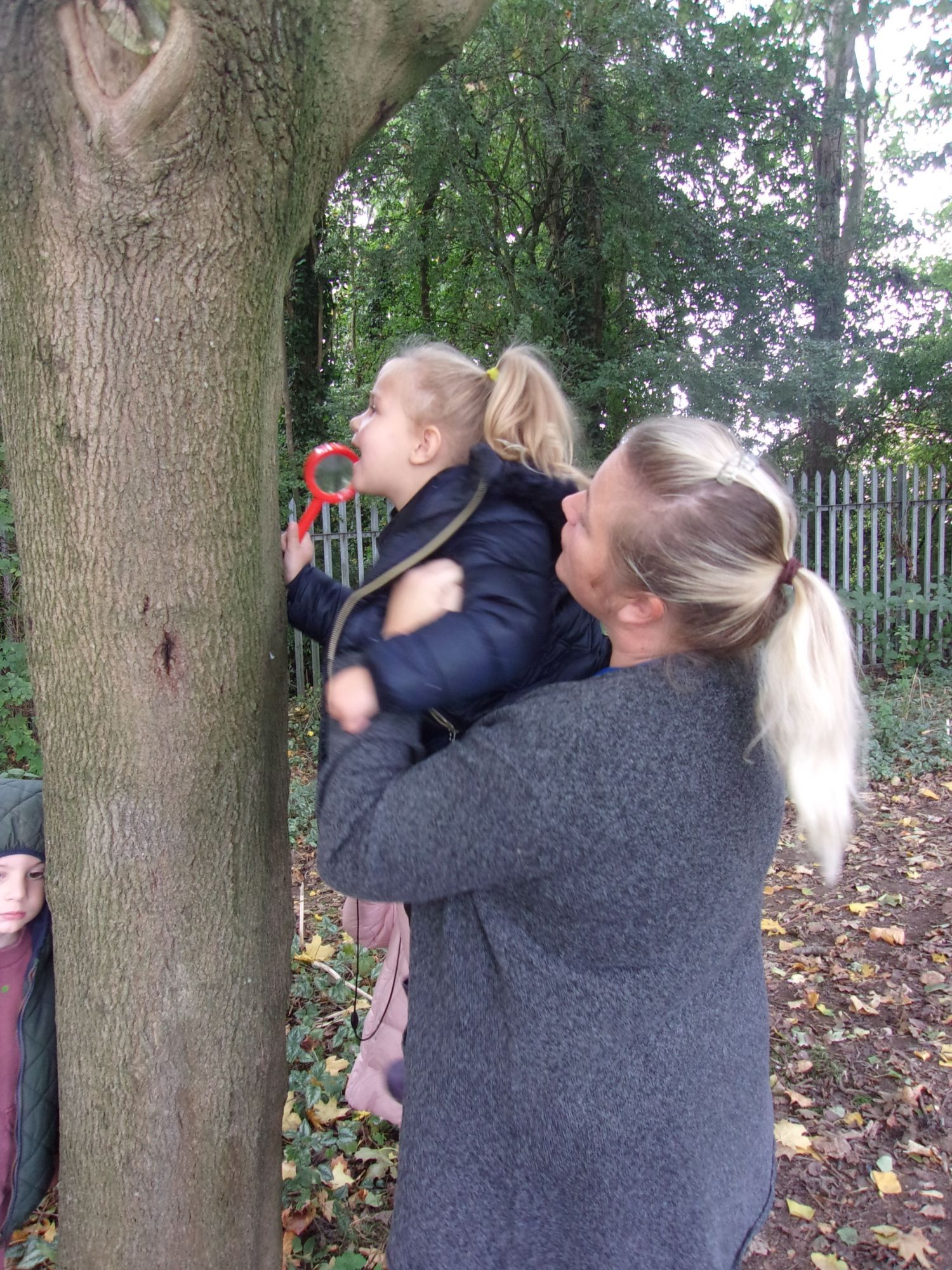
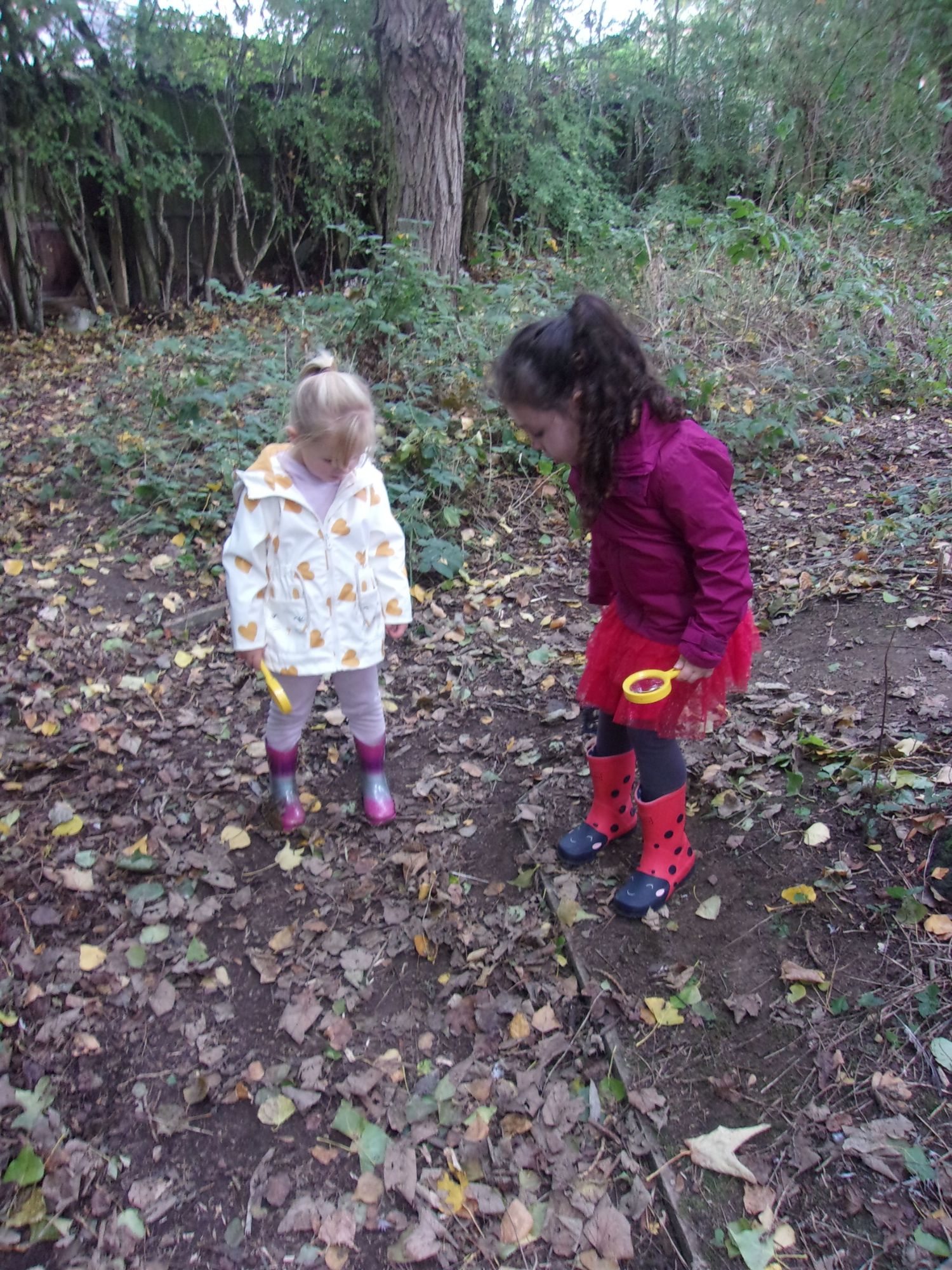
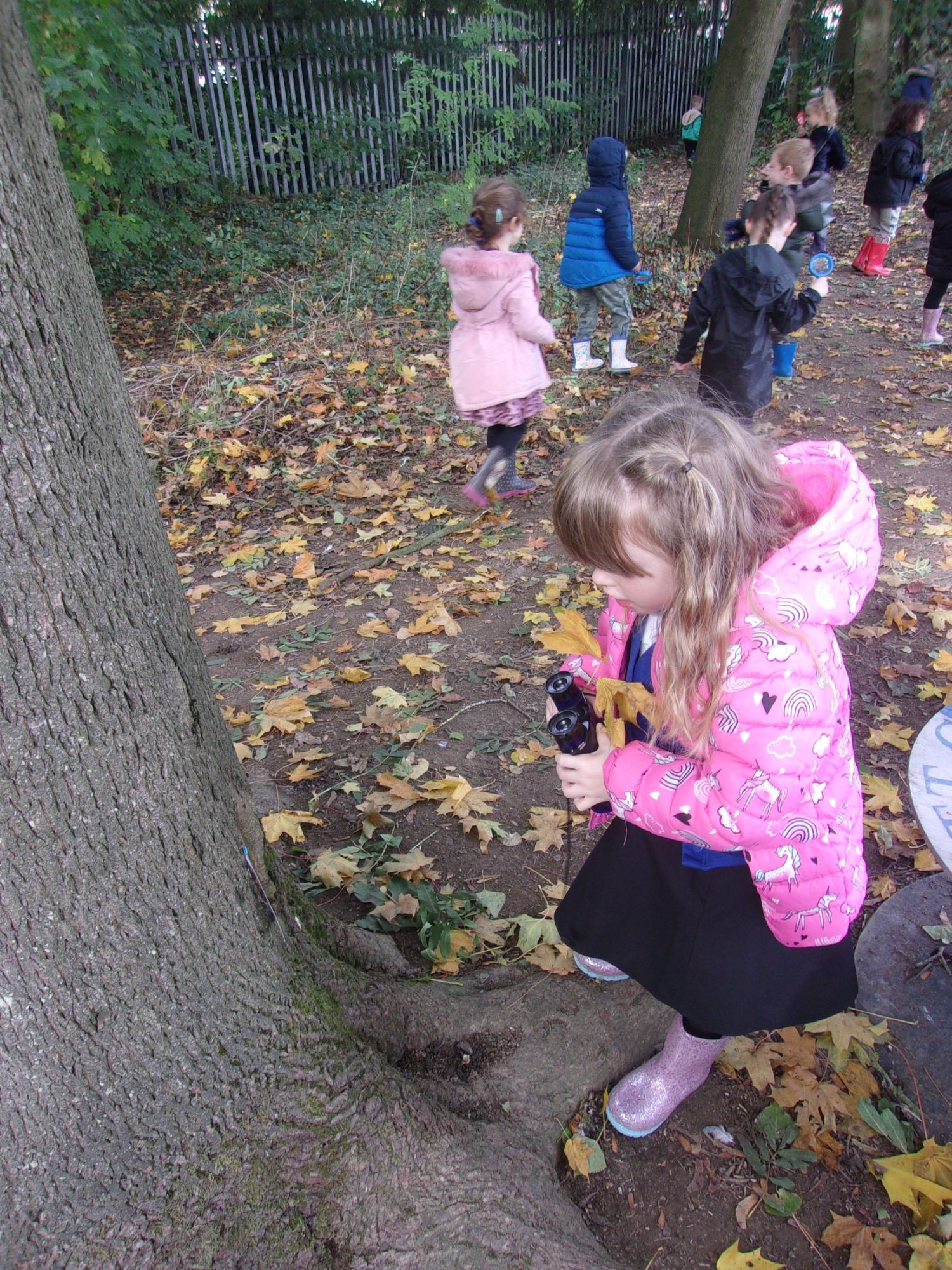
Our Forest School and outdoor learning provision gives children regular opportunities to learn, explore and develop in a natural environment.
We run Forest School sessions four afternoons each week for selected children in Key Stage 1 and Key Stage 2. Led by our trained Forest School practitioner, these sessions help children develop resilience, confidence, independence, creativity and teamwork through practical, hands-on experiences in the outdoors. Activities encourage children to problem-solve, take managed risks and build a positive connection with the natural world.
All children in Reception also take part in an outdoor learning session every other Friday in our woodland area. These sessions support the Early Years curriculum through exploration, storytelling, investigation, imaginative play and first-hand experiences that bring learning to life.
Our woodland area is a valued part of school life, providing children with opportunities to challenge themselves, develop new skills and enjoy learning beyond the classroom. We also make use of local green spaces, including Pioneer Meadows and Victoria Park, to further enrich children's outdoor experiences.
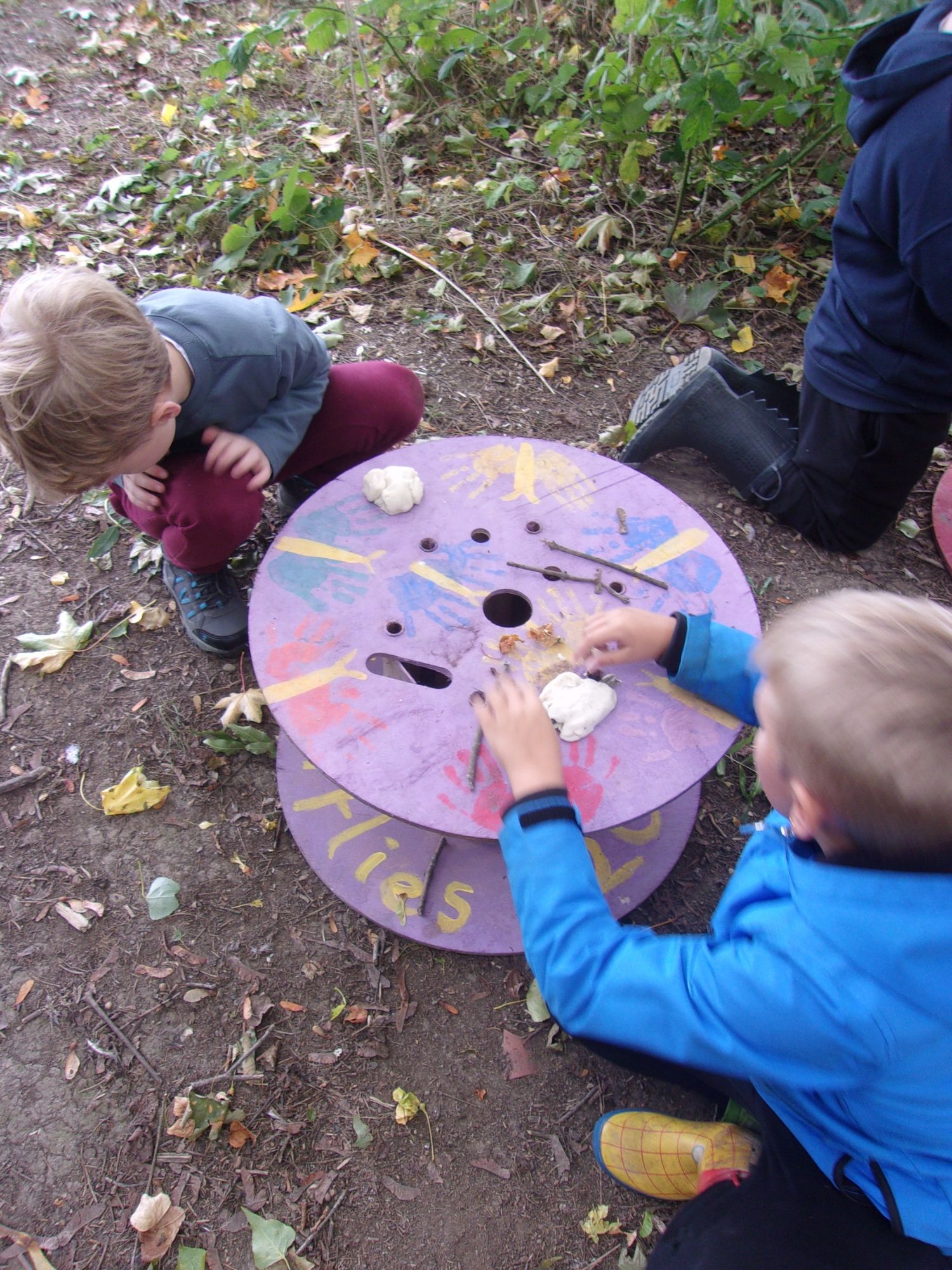
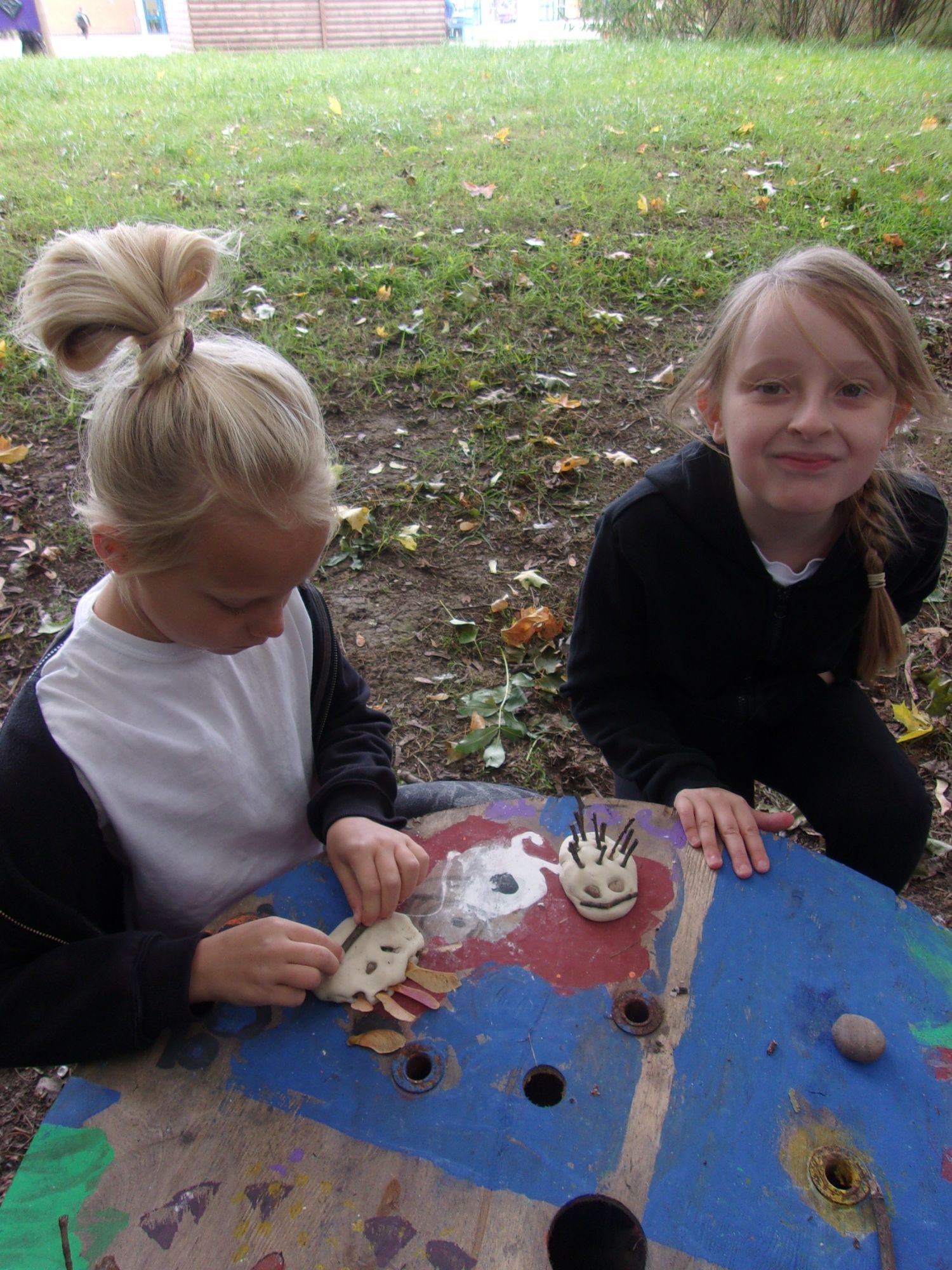
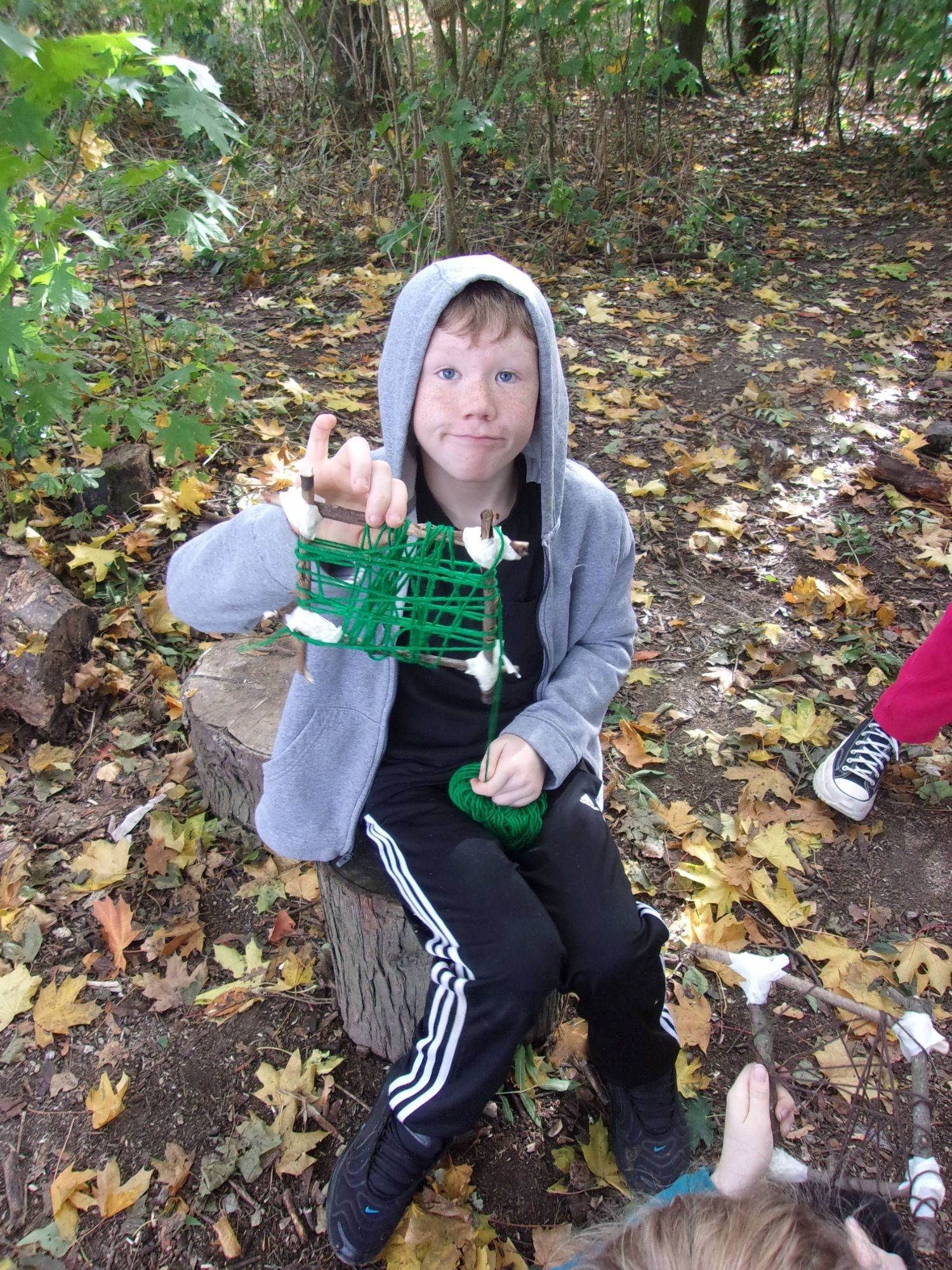
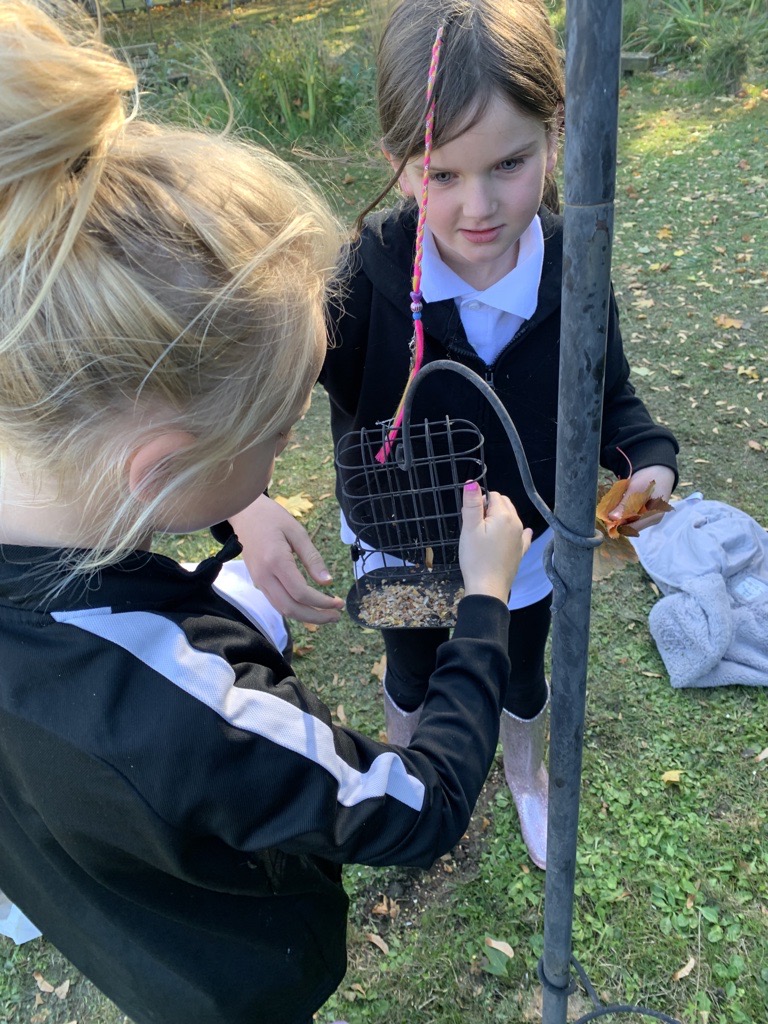
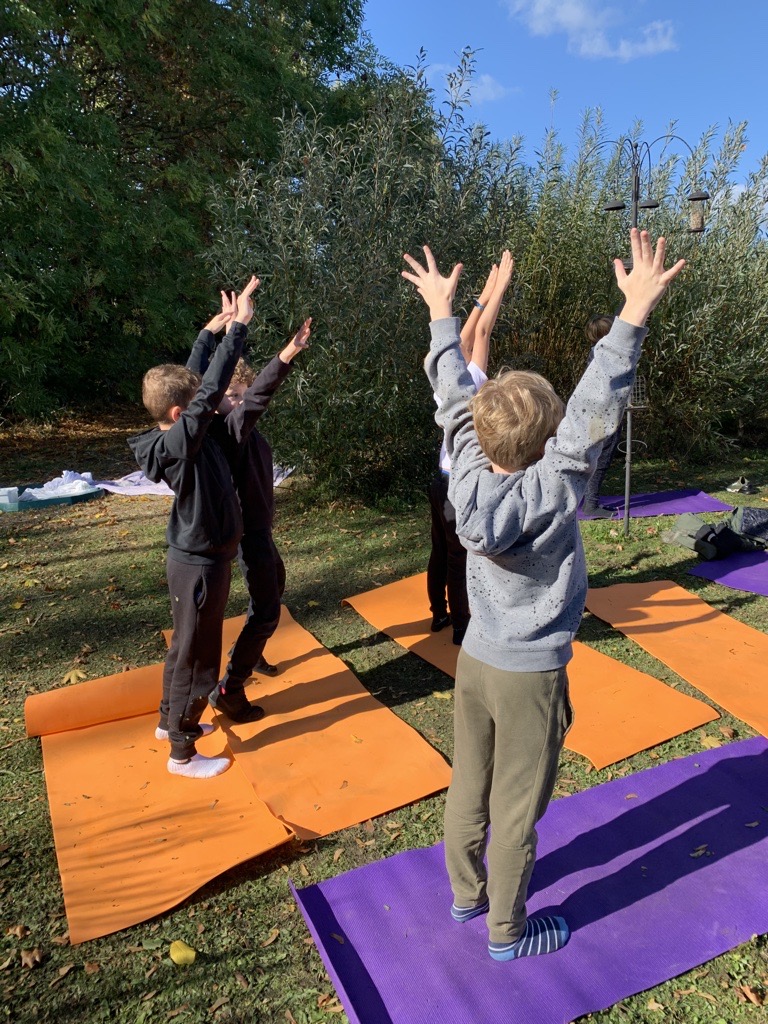
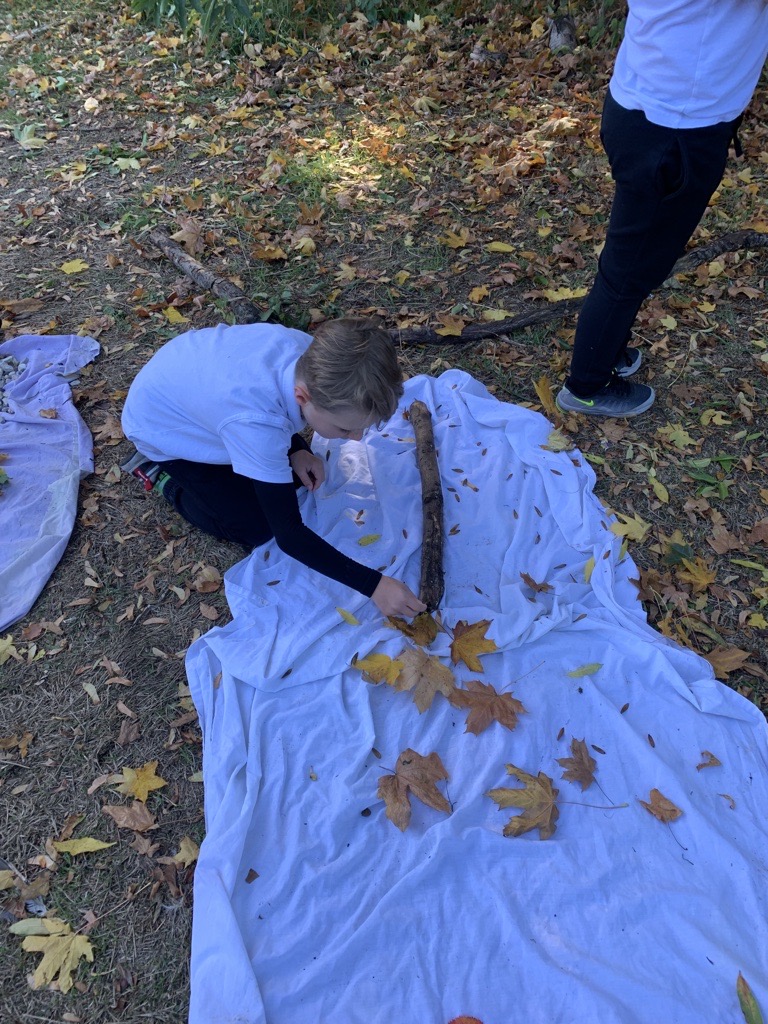
During Forest School sessions, children take part in a wide range of engaging activities designed to develop confidence, resilience, independence and a love of the outdoors. These may include:
Natural artwork
Building Mud faces on trees
Stick Towers
Barefoot walking
Scavenger Hunts
Making music
Clay mini beasts
Orienteering
Making natural crowns
Fire Lighting
Obstacle course
Fairy tag
Pond dipping
Making flags
Using tools
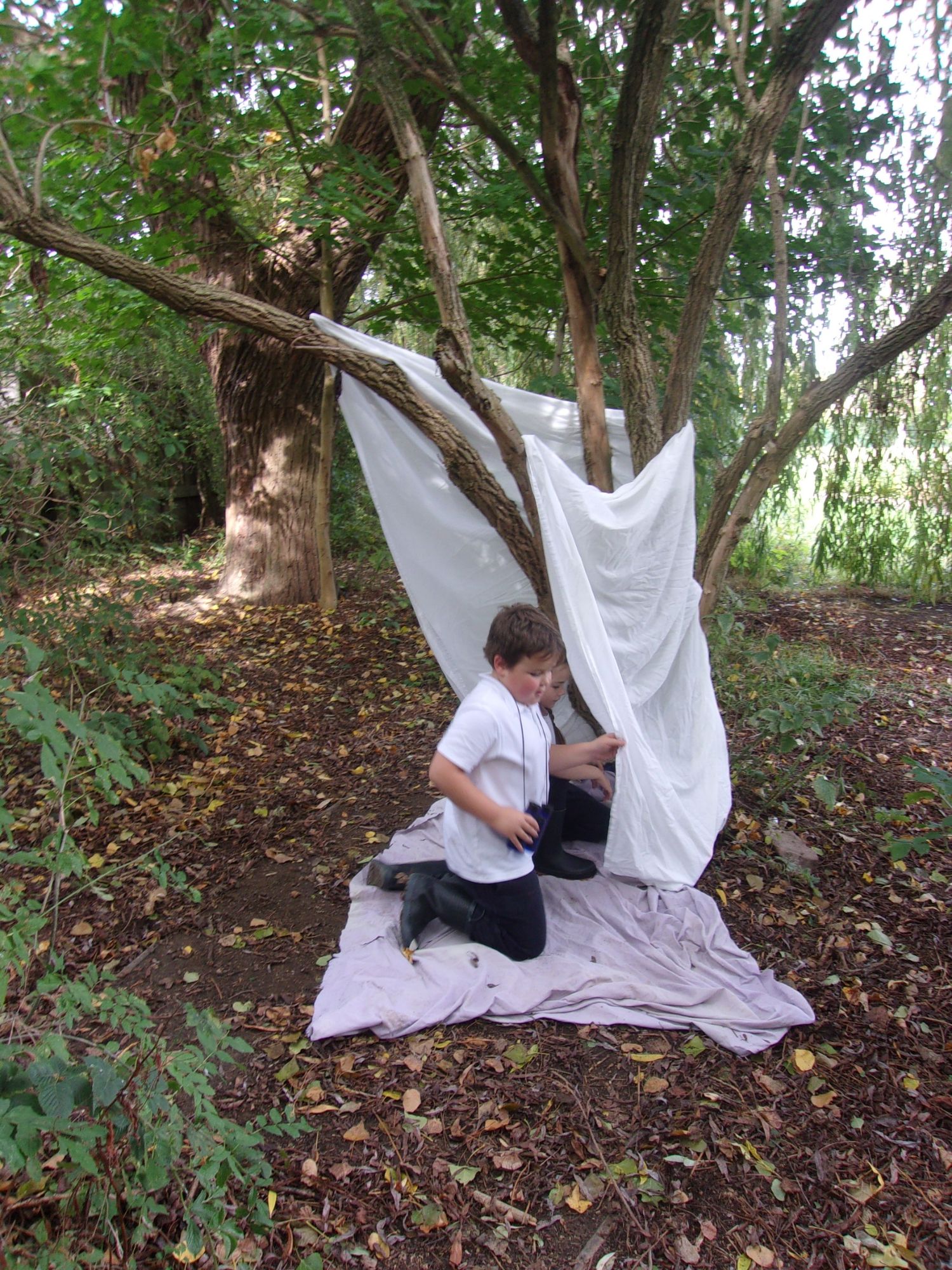
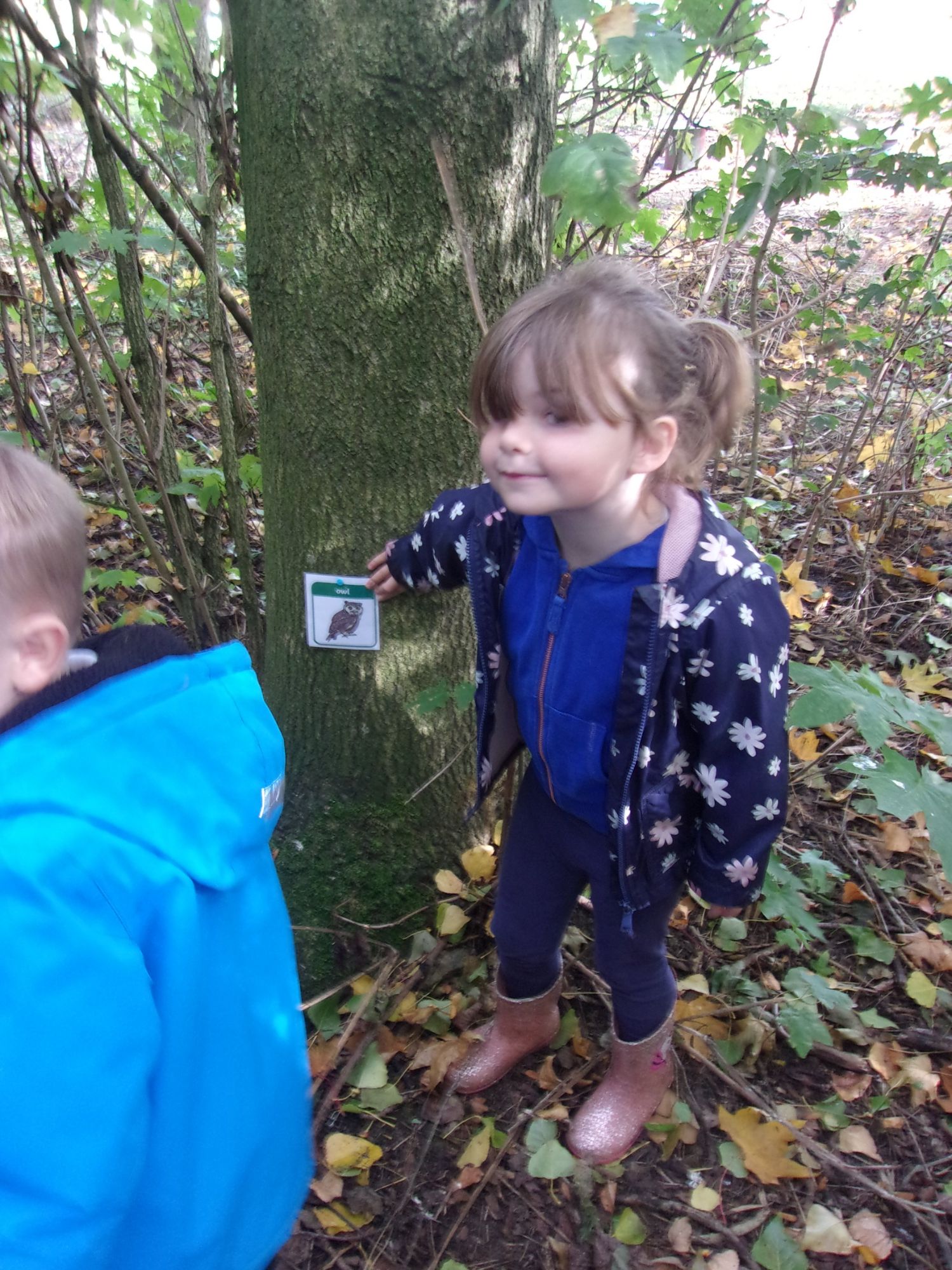
Through Forest School, children are encouraged to become curious, resourceful and reflective learners. The programme supports the development of important life skills, including decision-making, initiative, perseverance and responsibility. Children learn to work both independently and collaboratively, developing the confidence to tackle new challenges and find creative solutions.
Activities are carefully tailored to meet the needs of individuals and groups, while allowing children the freedom to make choices, follow their interests and take ownership of their learning. This child-centred approach helps to promote positive wellbeing, a healthy lifestyle and a sense of achievement, while supporting children's personal, social and emotional development.